August 21, 2026
Severe windstorms can transform majestic yard trees into immediate structural threats within a matter of minutes. High-velocity winds apply tremendous torsional stress to trunks and primary limbs, often causing hidden internal fractures that severely compromise stability. According to EZ Home Search, more than 32 million residential properties are positioned in coastal and inland areas vulnerable to destructive hurricane-force wind threats. Homeowners living near mature trees must recognize that severe weather events frequently leave behind subtle mechanical hazards that require immediate technical assessment by trained specialists.
When severe gusts sweep through a residential neighborhood, the resulting structural damage is not always as obvious as a completely uprooted trunk lying across a manicured lawn. Arborists look far beyond obvious surface defects to determine whether an affected specimen poses a continuing threat to surrounding lives, utilities, and nearby buildings. Professional arborists rely on standardized diagnostic protocols to systematically evaluate structural stability and determine if complete tree removal is necessary. Identifying latent structural failures early prevents catastrophic property destruction during subsequent storm events and protects long-term neighborhood safety.
Assessing Immediate Environmental Hazards
The first critical phase of any professional evaluation involves establishing a clear safety zone around the entire affected property. Certified arborists meticulously inspect the immediate vicinity to identify energized power lines, dangling limbs hanging in upper canopies, and severely compromised overhead structures. High winds often snap major branches without dislodging them completely, creating precarious hazards known as widowmakers that can drop without warning on people or vehicles below. Evaluating these immediate environmental hazards allows crew leaders to establish safe perimeter boundaries before conducting closer technical inspections.
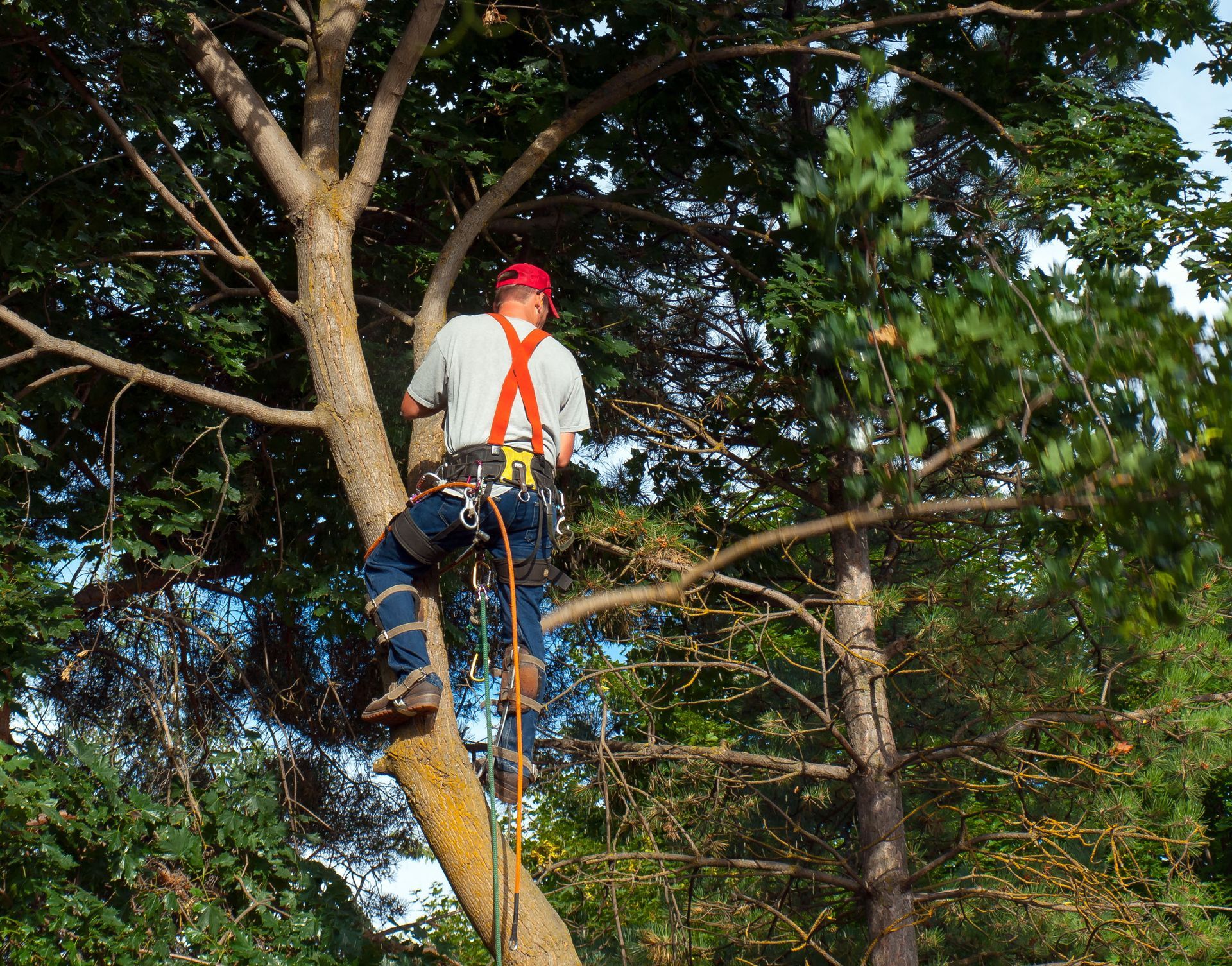
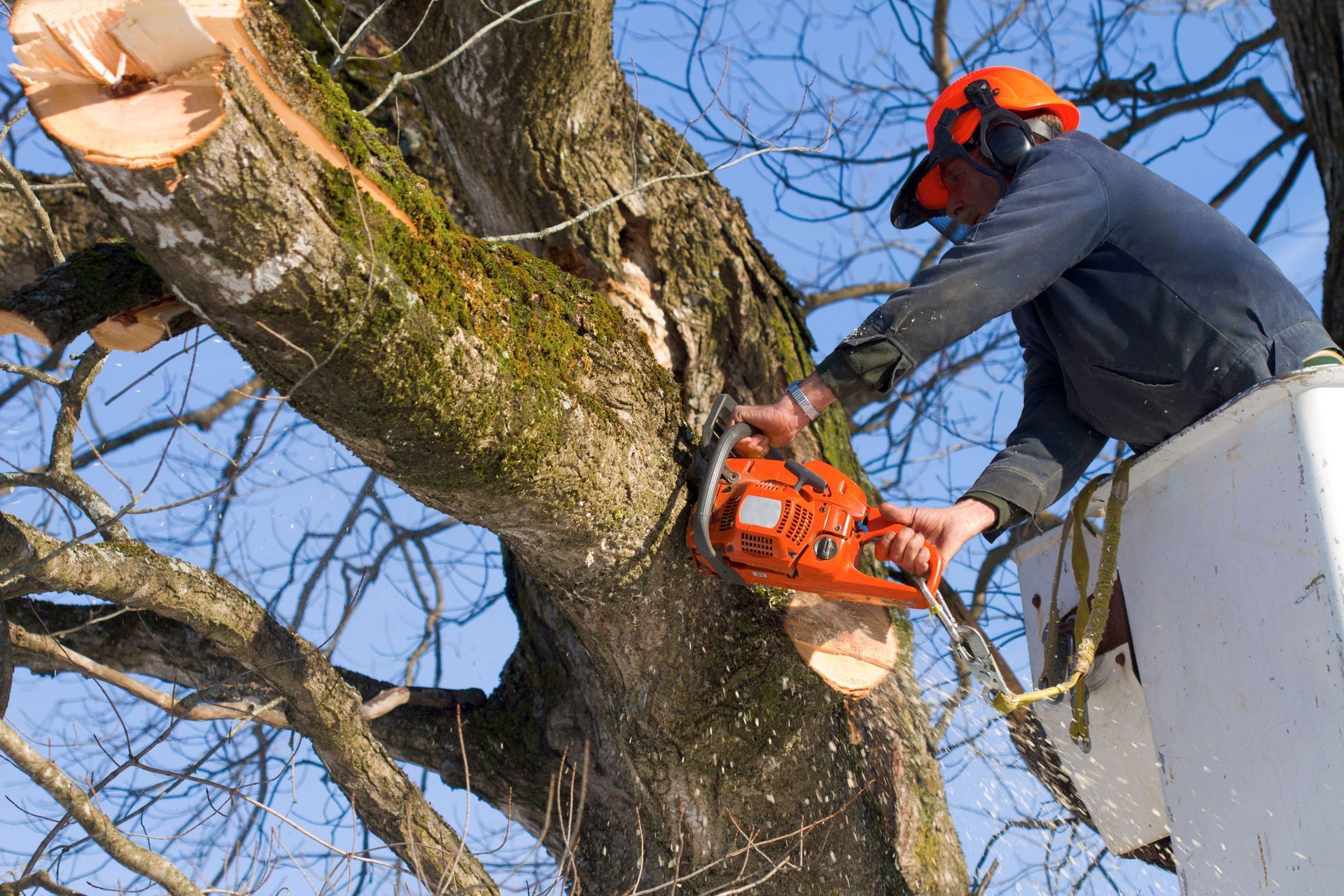
Once safety perimeters are fully secured, specialists begin triaging the overall scene to prioritize high-risk stabilization actions. Trees leaning heavily toward dwellings, driveways, or public sidewalks require immediate emergency response or prompt tree removal to prevent imminent structural collapse. Specialized rigging equipment, heavy machinery, and aerial lifts are frequently positioned during this preliminary stage to mitigate immediate high-risk situations safely. Taking these initial stabilization steps ensures that the surrounding environment remains completely secure while deeper structural diagnostics continue.
Understanding local site conditions is another vital aspect of initial hazard assessment after severe weather strikes. Soil composition, proximity to underground utility lines, and nearby traffic flow all influence how an assessment crew approaches a damaged site. Arborists coordinate with local utility companies whenever electrical lines are compromised to eliminate electrocution risks before work begins. Establishing a controlled work environment protects both property owners and technicians during subsequent evaluation steps.
Examining Structural Integrity and Trunk Cracks
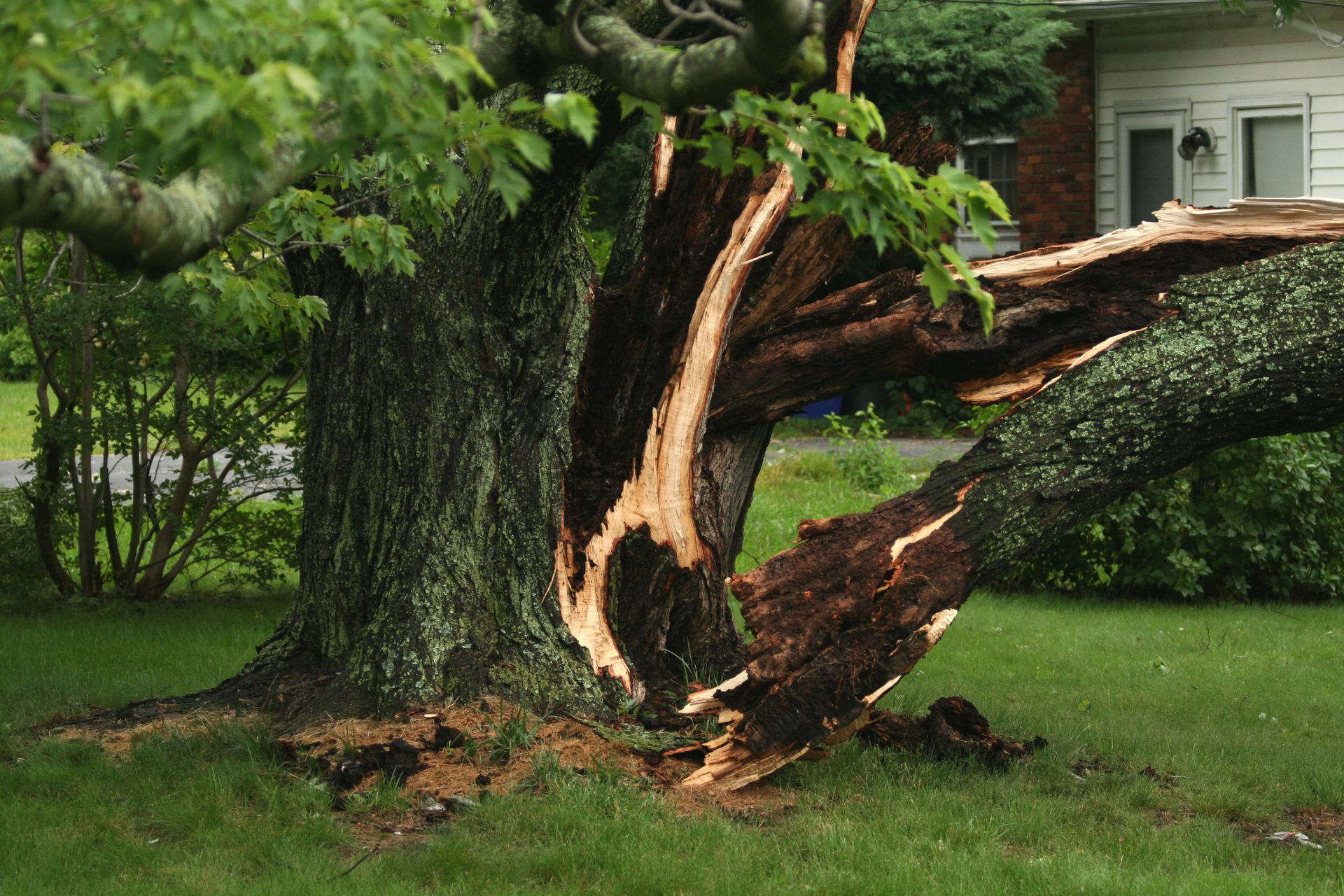
After securing the immediate site, arborists focus their diagnostic tools directly on the main trunk and primary scaffold branches. Strong wind forces induce heavy twisting motions that can split outer bark and rupture internal wooden fibers along the primary stem. Visual inspection involves looking for fresh longitudinal cracks, spiraling bark fissures, and newly exposed internal heartwood. When internal structural fibers suffer severe shear stress, complete tree removal often becomes the safest option to prevent sudden failure.
In addition to fresh vertical splits, arborists carefully evaluate pre-existing hollows and decay pockets that may have expanded significantly under severe wind loads. Storm winds act like giant levers on mature crowns, concentrating immense mechanical strain on compromised or decayed sections of the main trunk. When wood rot compromises more than thirty percent of a trunk's internal diameter, the tree loses its structural resilience. Identifying these expanded internal voids allows arborists to accurately predict future failure points under moderate wind stress.
Canopy balance and branch attachment points also undergo rigorous technical evaluation during this secondary diagnostic phase. Sudden limb loss on one side of a tree alters its natural center of gravity, creating uneven weight distribution across the remaining structure. If a tree loses a significant portion of its primary canopy, its long-term survival prospects plummet drastically while structural instability increases. In situations where severe canopy loss destroys overall structural balance, scheduled tree removal provides the most responsible long-term solution for property owners.
Inspecting Root Systems for Below-Ground Damage
A thorough wind damage evaluation requires examining the unseen root foundation supporting the entire tree structure above. High winds pull violently on the root plate, frequently severing critical anchor roots hidden beneath the soil surface. Arborists look for subtle indicators of root shear, such as fresh soil cracking, lifted turf, or newly formed soil mounds on the windward side of the trunk. Unstable root systems represent critical safety hazards because the entire weight of the mature tree becomes completely unsupported.
Soil displacement around the base of a tree, commonly referred to as root plate lifting, indicates severe structural compromise below ground. When strong gusts lift the root system out of the ground, delicate feeder roots and massive structural anchors snap under tension. In many cases, trees suffering from major root shear must undergo complete tree removal before saturated soil conditions cause a total structural overturn. Arborists carefully measure ground elevation changes around the root collar to determine the precise degree of underground destabilization.
Saturated soil conditions combined with high winds present an extraordinarily dangerous scenario for urban tree canopies. Waterlogged ground dramatically reduces soil friction, making it much easier for strong wind gusts to uproot mature specimens unexpectedly. Arborists test soil firmness and examine root flare exposure to judge whether the root system retains adequate anchoring capacity. If the underground structural matrix has failed, no amount of crown pruning can restore the tree to a safe operational standard.
Determining Appropriate Restoration or Removal Solutions
Once all physical inspections are finalized, arborists formulate a comprehensive management plan tailored to the specific situation. Minor branch breakage and light canopy damage can often be remediated through corrective pruning, crown thinning, and structural cabling systems. However, severe structural degradation, extensive root severance, or extreme leaning scenarios typically mandate complete tree removal to safeguard the surrounding property. Professional recommendations balance long-term tree health, property safety, and financial practicality for the homeowner.
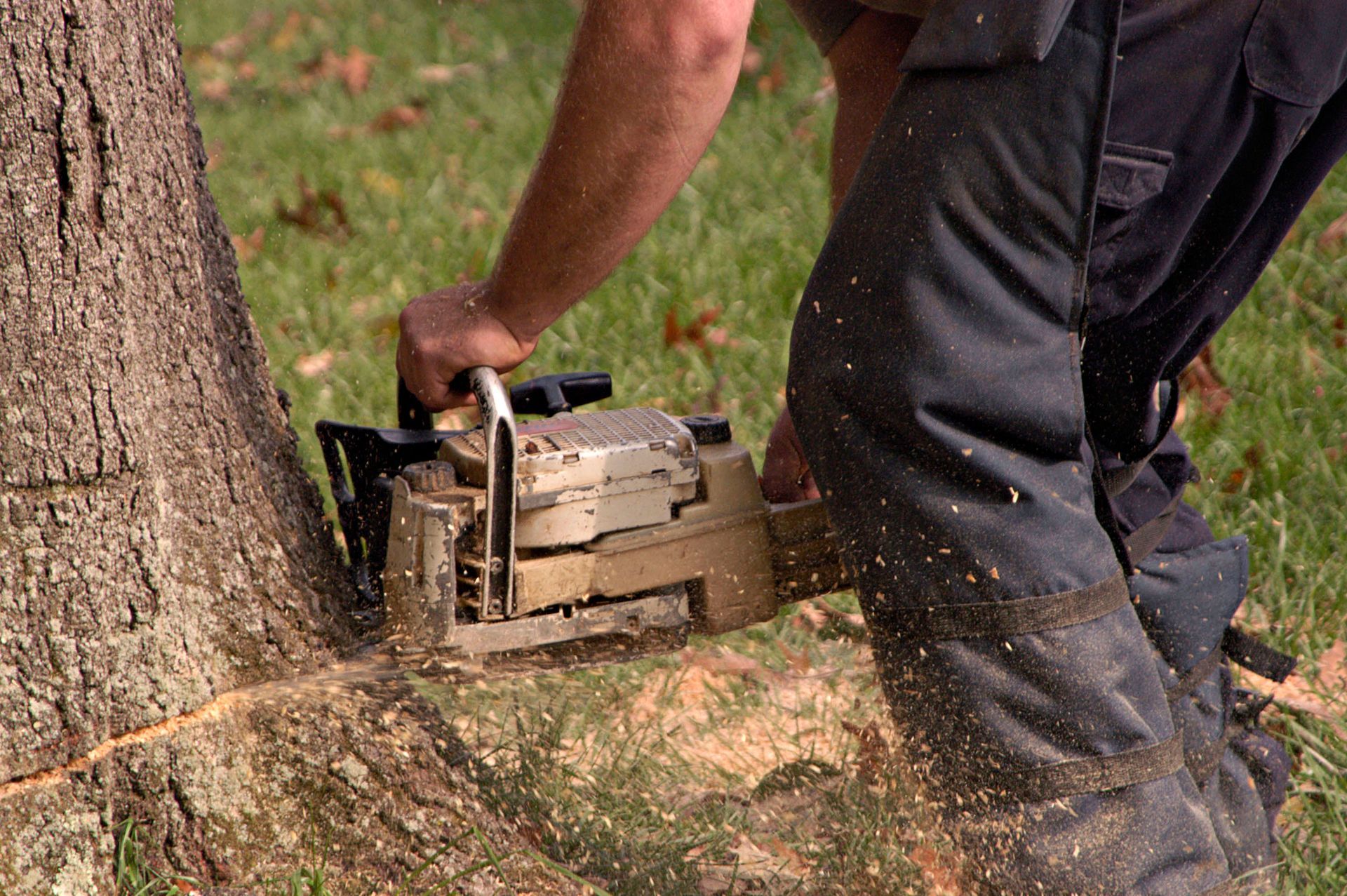
Executing complex recovery operations requires advanced technical machinery and highly skilled field personnel with specialized training. When working around damaged structures or tight residential spaces, arborists utilize specialized cranes and controlled rigging systems to lower heavy timber safely. Attempting DIY tree removal following a major windstorm is exceptionally dangerous due to unpredictable tension forces stored in bent wood. Certified crews understand how to release stored mechanical energy safely while minimizing additional property impact.
Detailed documentation is another crucial aspect of the professional evaluation process, especially when insurance claims are involved. Professional arborists prepare thorough diagnostic reports detailing the extent of wind damage, structural risk ratings, and necessary corrective measures. These written assessments provide objective technical evidence for insurance adjusters and municipal permitting departments during claim reviews. Having precise, professional documentation streamlines the approval process for urgent hazard mitigation work and ensures smooth property restoration.
Evaluating wind damage requires a methodical approach that combines physical inspection, structural engineering principles, and deep biological knowledge. From assessing immediate overhead hazards to detecting subtle root failure, certified arborists ensure every safety factor is thoroughly addressed. Recognizing when severe wind forces have compromised structural stability allows homeowners to make informed decisions regarding necessary
tree removal and site remediation. Partnering with experienced professionals ensures that storm damage is handled efficiently, safely, and with minimal risk to your valuable property.
When severe weather strikes your property, our team at Precision Tree is ready to deliver fast and reliable evaluation services. We bring advanced diagnostic tools, decades of field experience, and an unyielding commitment to safety to every single job site. Contact us today so we can help restore safety and peace of mind to your home landscape.